
Victoria Falls, Africa. Photo by: Cathy McCarthy
Like what you see? Hit the "Follow" button and get on the Dirty Hippie Bus!


 When most people think of Egypt they think of pyramids and deserts- not picturesque coral reefs under clear blue waters. That is why Ras Abu Galum will change the way you think of Egypt. Established in 1992, Abu Galum is a 400 square kilometer (154 square miles) nature reserve on the East coast of south Sinai. It is home to protected coral reefs and mangroves that are filled with beautiful flora, including 44 plant species unique to the Gulf of Aqaba, and exotic wildlife. From ibex and foxes, to hyenas and dangerous snakes like Vipers and Black Cobras, any traveler is sure to discover something exciting. Abu Galum’s granite mountains end abruptly on the narrow coastal plain where you can find fresh water springs and coastal sand dunes, fronted by rich coral reef shelves and underwater canyons that offer outstanding snorkeling and diving. Many travelers book a Jeep Safari tour that also includes a trip to the Blue Hole in Sinai, a shoreline camel ride, and lunch hosted by the Bedouins, but some budget travelers decide to navigate on their own and save a few bucks, which also allows for a flexible schedule. Most backpackers take the camel/walking trail from Dahab, which is a long walk, but probably the best option, or you can make your way on the roads from Nuweiba. If you visit Abu Galum on your own and are too tired to make the trip back to Sinai, or wherever you departed from, you can negotiate a price to hire one of the nearby Bedouin huts. The huts usually offer no more than a mattress and shelter, but in the evening you’ll be able to stroll along the beach and stare into the star-filled sky. Make sure you look down from the bright moon though, because the sand is home to crabs, prawns and other sea creatures, so you’ll want to watch your step! No matter how your find you way to Ras Abu Galum, or how long you stay, you’ll never forget it!


Whether you want to kick your feet up and sit back, or put flippers on them for snorkeling and scuba diving, Kande Beach Resort in Malawi is the place for you. Lake Malawi is a freshwater, inland sea that divides Malawi, Mozambique, and Tanzania, but its waves and blue waters will make you think you’re on a tropical island! Kande Beach Resort is just about in the middle of the lakeshore, on what is known as the Chintheche Strip. The resort offers several accommodation options from camping, to dorms, to stone cottage rentals, all right on the clean, soft sand. Kande Beach Resort has been attracting backpackers for years, but with World Cup fever making travel in Africa especially popular right now, Kande Beach Resort is becoming quite a hot spot destination. You can rent a catamaran, pedal boat, windsurfing equipment, or even a horse! After a day in the sun, refresh yourself at Kande Beach Bar where you can get cold drinks and use the pool table, board games, table tennis, darts, and if it’s your birthday, you even get a free “special!” If it’s Malawi culture you seek, just step outside to the nearby Tonga village, or have the staff arrange a guided tour for you, typically given by the Chief’s son! If it’s an African safari you crave, South Luangwa National Park is just across the border in Zambia. No matter what you’re looking for, Kande Beach Resort seems to have it all!
Three Reasons to stay at KANDE BEACH RESORT:
1. Malawi residents and tourists alike come to the resort for a relaxing getaway, so you never know whom you’ll meet during your stay.
2. Hang with the locals at night, while they show off their impressive Bongo Drum skills!
3. There is a library right on the premises, where you can borrow any book during your stay.
 Loango National Park in Gabon is sometimes referred to as “Africa’s Last Eden.” Over 70% of Gabon is covered with wildlife rich rainforest, and Loango, the most visited of 13 National Parks in the country, is a prime place to see what the land has to offer. It is here where the wildlife of the equatorial rainforest spills out on to the lagoon-broken Atlantic coast. You will find elephants, leopards, and gorillas strolling the white sand beaches, hippos surfing, whales and dolphins playing in the waters, and a vast assortment of rare land mammals cavorting in the savannah. Even National Geographic has tried to draw attention to this rare and tropical gem, but it remains virtually untouched by tourism, and is off the beaten path for most travelers in Africa. Loango National Park is put under the category of ‘faunal reserve and protected area for conservation’ by The World Conservation Union, so hopefully it will stay this way forever. Many travelers arrange transportation to Loango through their safari tour, and can even be picked up in the capitol city, Libreville, which is about 250km (155 miles) north of Loango. African safaris tend to come with a high price tag, and those in Loango are no exception, and might even be a little higher than others. However, if it is Africa in its purest form that you seek to experience, then cough it up and head to Loango National Park. It will change you forever.


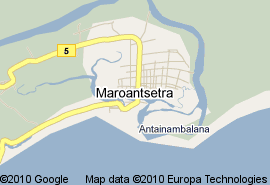
Maroantsetra, or “many spears,” is an average-sized city on the Northeast coast of Madagascar. It is situated between the bay of Antongile and the lush tropical rainforest. Despite the issues and political unrest that plague Madagascar, Maroantsetra remains peaceful, with a sleepy vibe and friendly atmosphere. With the crashing waves of the Indian Ocean, and the fragrance of vanilla, cloves, and other harvested spices, blowing through the warm, humid air, this place offers complete serenity. Sadly, forest degradation is destroying much of Madagascar, but Maroantsetra is home to Masoala National park, which is regarded as the largest protected area in the country. Here you can truly experience untouched Madagascar, and catch glimpses of its unique animal species, like the Red Ruffed Lemur, Leaf Tailed Gecko, and the Aye Aye. For an even more dazzling spectacle of wildlife, and to learn about the areas history, head out to the small island of Nosy Mangabe, located 3 miles (5 km) from the coast. Those who really want to feel at one with the environment can camp for a few nights on this island nature reserve, and walk amongst the diverse plant life and Antimaroa clan tombs. Though many travelers do visit Maroantsetra, in remains “un-touristy” and is a must for anyone to experience.
To get to Maroantsetra, there are several options, depending on how much adventure you’re seeking. Flying is one way to arrive, but for the biggest thrills you can drive along the treacherous, yet scenic coastal highway. Or, if you’re leaving from Tamatave, try cruising your way in a small wooden boat, known as a “boutre”. No matter how you get to the city of “many spears”, you will come away with a genuine appreciation of Madagascar and all it has to offer.


 Posts
All Comments


